

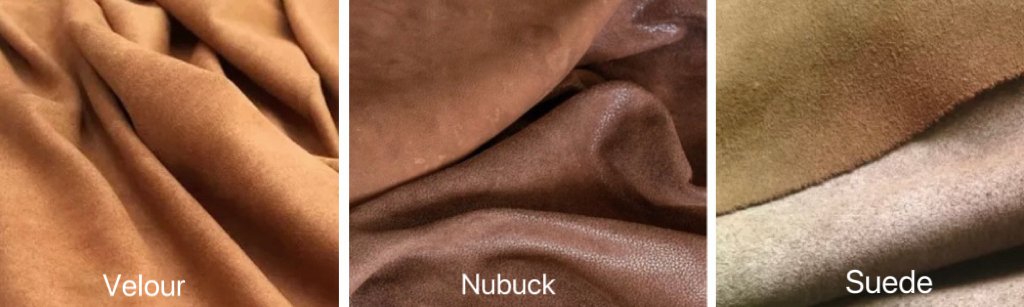

Suede, velour, and nubuck are three popular natural materials. They are similar in appearance, which often leads to confusion and makes selection difficult for both buyers and footwear manufacturers. However, there are significant differences between them in terms of properties, production technology, and durability.
In this article, we will examine the key differences between these materials and provide recommendations on how to choose them. First, let’s look at how to distinguish them:
Velour(猄皮)
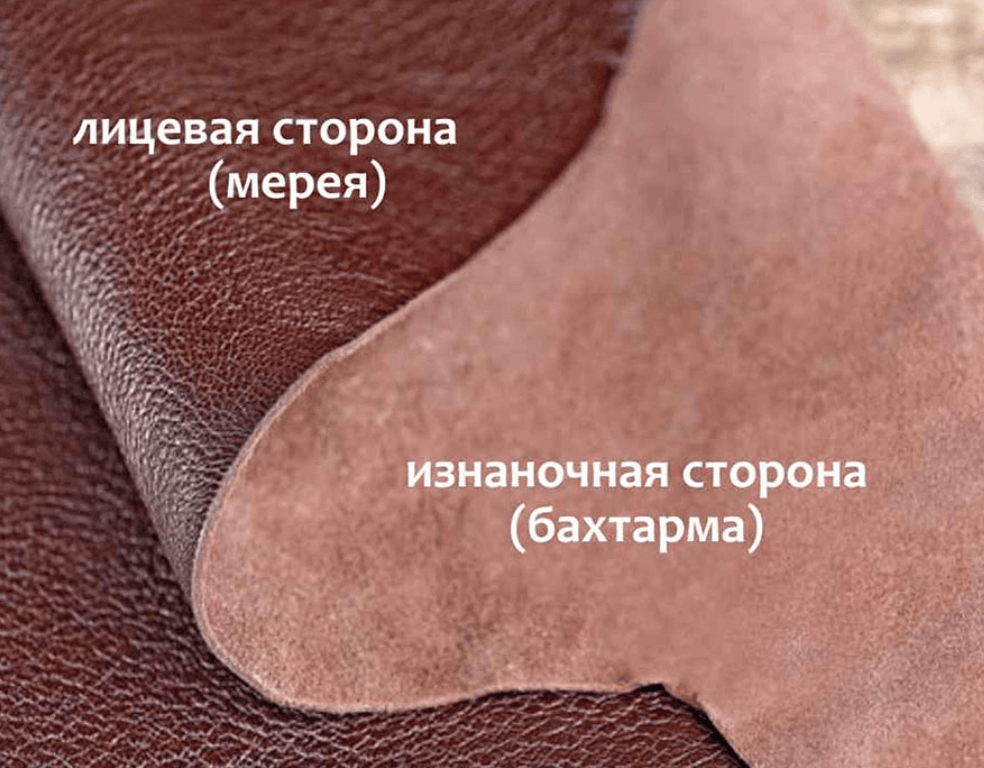
It is a less durable but velvety napped material. It is most often made from the flesh side (split side) of the second layer of leather (split leather) from lamb, goat, and also pig, calf, or deer hides. Velour is typically produced using chrome tanning, which provides softness, elasticity, wear resistance, and flexibility, and then undergoes sanding, polishing, and brushing, resulting in its characteristic nap.
The fibers of velour have a naturally smooth structure, which gives the material a soft, velvety texture and high flexibility. The surface can be either relatively coarse or porous. Due to its open structure, velour has low water resistance, so liquids are easily absorbed into the material.
Suede (麂皮)
It is a durable but more porous material. It is made from the flesh side of the top grain layer of high-quality hides—primarily from smaller animals such as deer, and elk, as well as lamb and goat. Suede is typically produced using oil tanning, which gives the material exceptional softness, elasticity, enhanced wear resistance, flexibility, heat resistance, and relatively better water resistance compared to velour. After tanning, the leather is sanded and brushed, resulting in a fine, even nap on both sides or on one side.
Suede features a more delicate and uniform fiber structure, which gives the material a soft, velvety texture and high flexibility. The surface is generally finer and more even compared to velour.
Nubuck (牛巴革)
It is a durable, breathable material with a very short nap. It is made from the grain side of the top grain layer of hides—primarily cattle (mostly cow, as well as calf, goat, sheep, and deer. Nubuck is typically produced using chrome tanning chrome tanning, which gives the material softness, elasticity, increased strength and wear resistance, flexibility, and heat resistance.
To create various decorative effects, nubuck can be dyed and embossed. It features a fine, even nap and is known for its sensitivity to dirt and stains. Compared to velour and suede, nubuck has better water resistance, which can be further enhanced with oil treatment (oil nubuck).
Key differences between nubuck, suede, and velour
Material | raw material | layer of leather | tanning method |
|---|---|---|---|
| Nubuck | cattle hide, cow (as well as goat, sheep, and deer) | Grain side of the top grain layer | chrome tanning |
| Suede | Deer hide (as well as lamb and goat) | flesh side of the top grain layer | oil tanning |
| Velour | Кожа козы, ягнёнка (и свиньи, телёнка, оленя) | flesh side of the second layer | chrome tanning |
See the article: Как избежать путаницы в названиях бархатистой кожи на китайских фабриках
Which one should we choose?
In footwear manufacturing, the choice among these materials is influenced by many factors, including durability, tactile feel, sales season, cost budget, and others.
Nubuck Thanks to its properties, nubuck is ideal for refined footwear—such as Oxfords, Derbies, loafers, boots, and ankle boots. It combines high durability and comfort with proper regular care, making it an excellent choice for frequent everyday wear and formal occasions in dry seasons. It is worth noting that nubuck is a premium material and relatively expensive.
Although suede falls short of nubuck in many aspects, it remains an excellent option for refined footwear. Suede boots, heeled models, and sneakers offer both comfort and an aesthetic appearance at a moderate price. In addition, suede products are warm and practical, making them well suited for everyday wear in urban environments.
Compared to nubuck and suede, velour is a more affordable material and is often chosen for shoes intended for short-term use or special occasions, while still maintaining an attractive appearance and soft, velvety texture.
All three materials are elegant natural leathers with various finishes. Despite their visual similarity, which can cause confusion, this can be seen as an advantage for consumers seeking such a refined effect within their target price range.